Lumora: Visual Alchemy and the Art of the Lived Experience
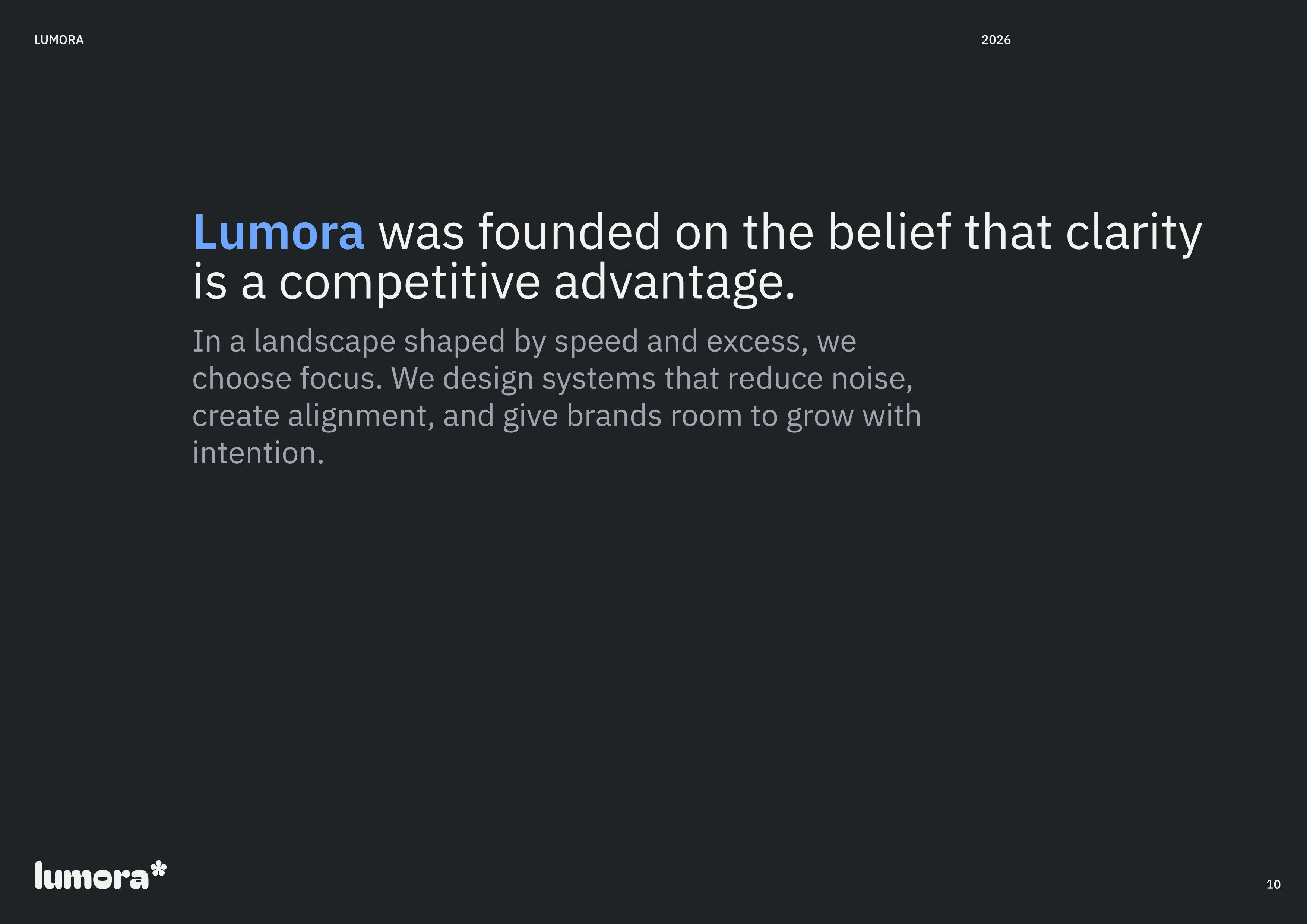
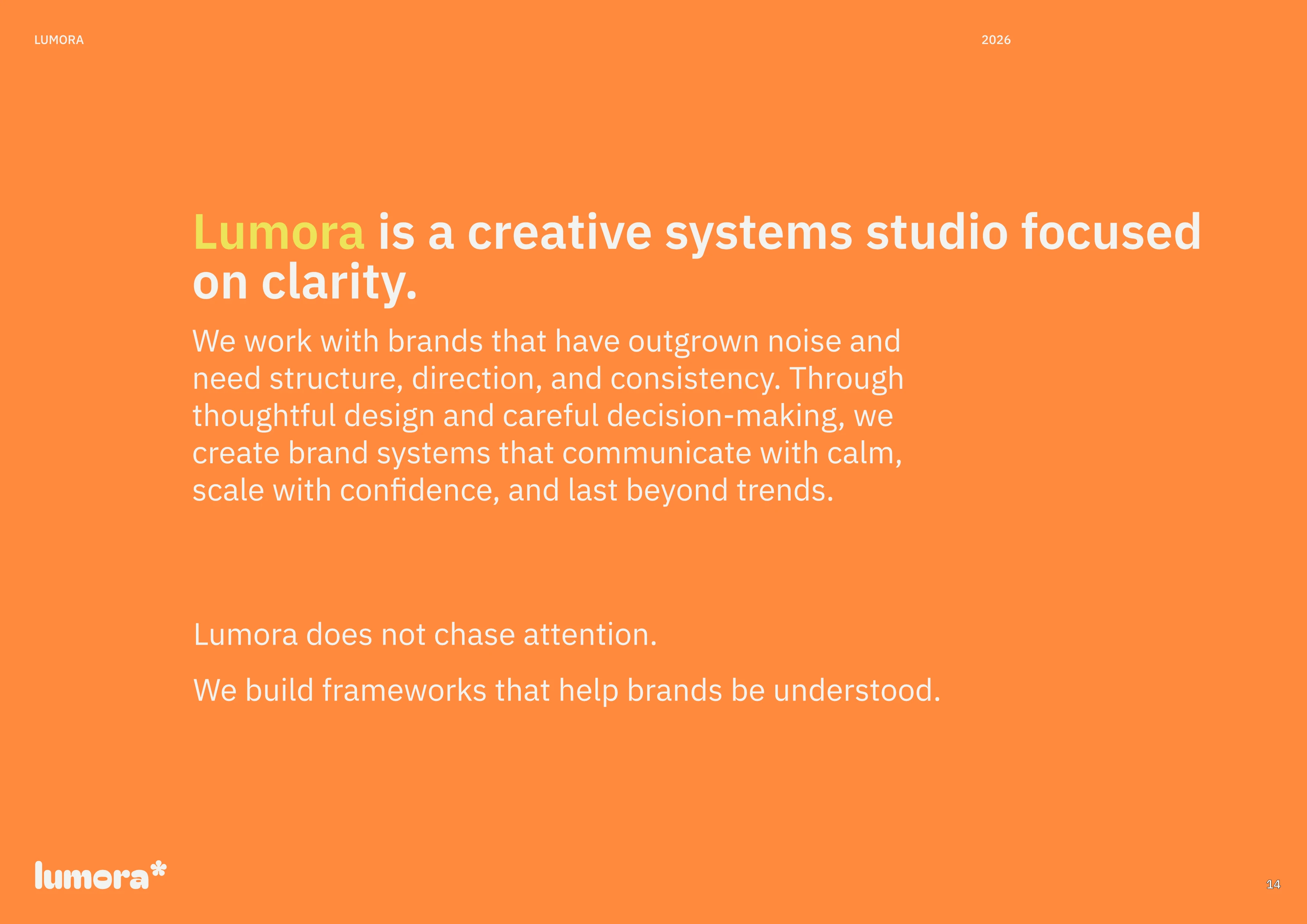
Lumora was never meant to be loud. From the beginning, the ambition was clarity, not spectacle, a brand that feels considered, restrained, and intentional across every touchpoint.
In a landscape saturated with visual noise, Lumora positions itself as a counterpoint. The brand exists to bring focus back to what matters: coherence, meaning, and systems that endure beyond trends.
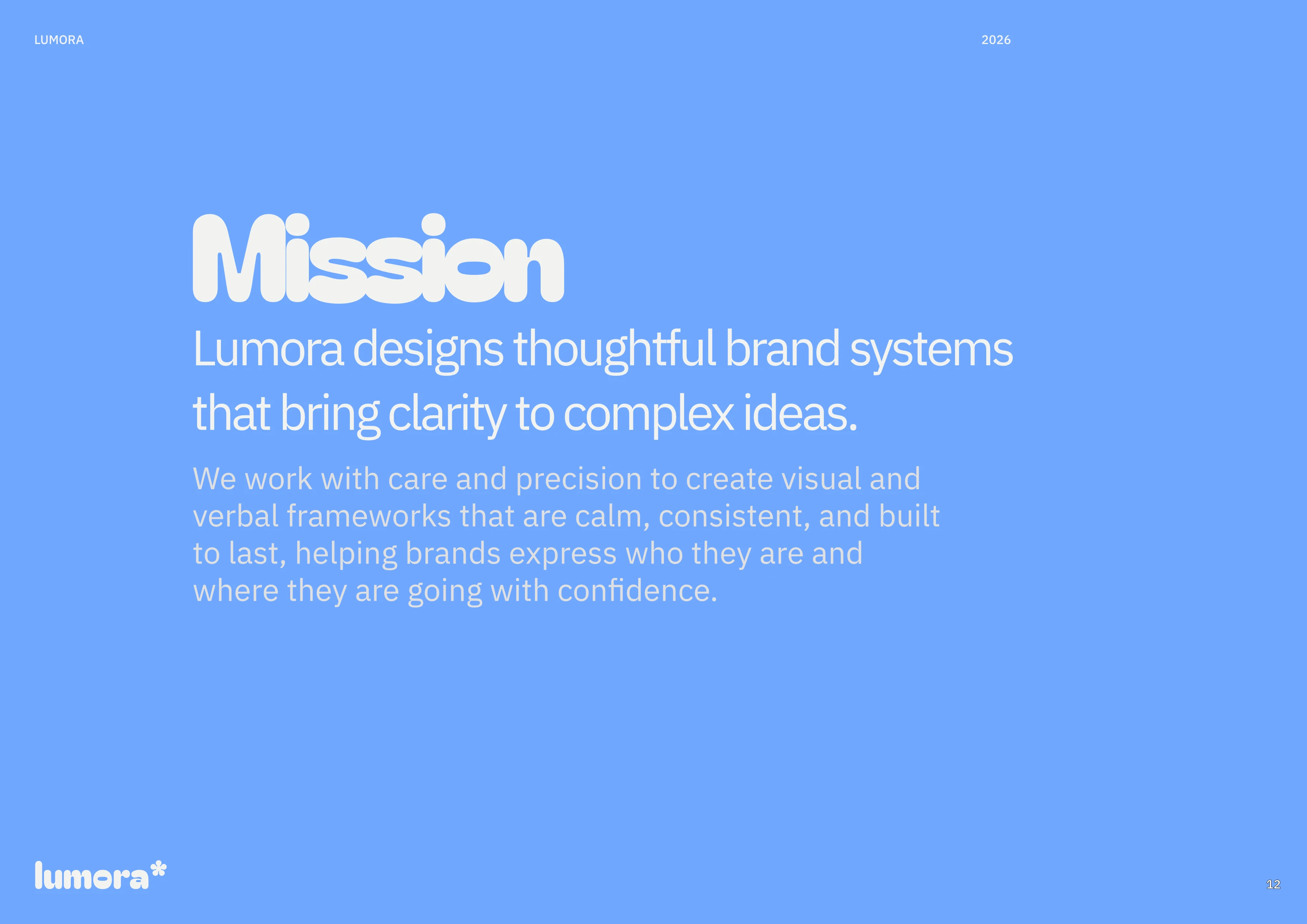
Rather than starting with a logo or aesthetic direction, Lumora’s identity was built from the inside out. The foundation rests on brand purpose, vision, and values, elements that shape not only how the brand looks, but how it behaves, communicates, and evolves. The result is a visual identity that is both distinct and flexible, capable of supporting a wide range of applications while remaining unmistakably Lumora.
Brand Guidelines Gallery
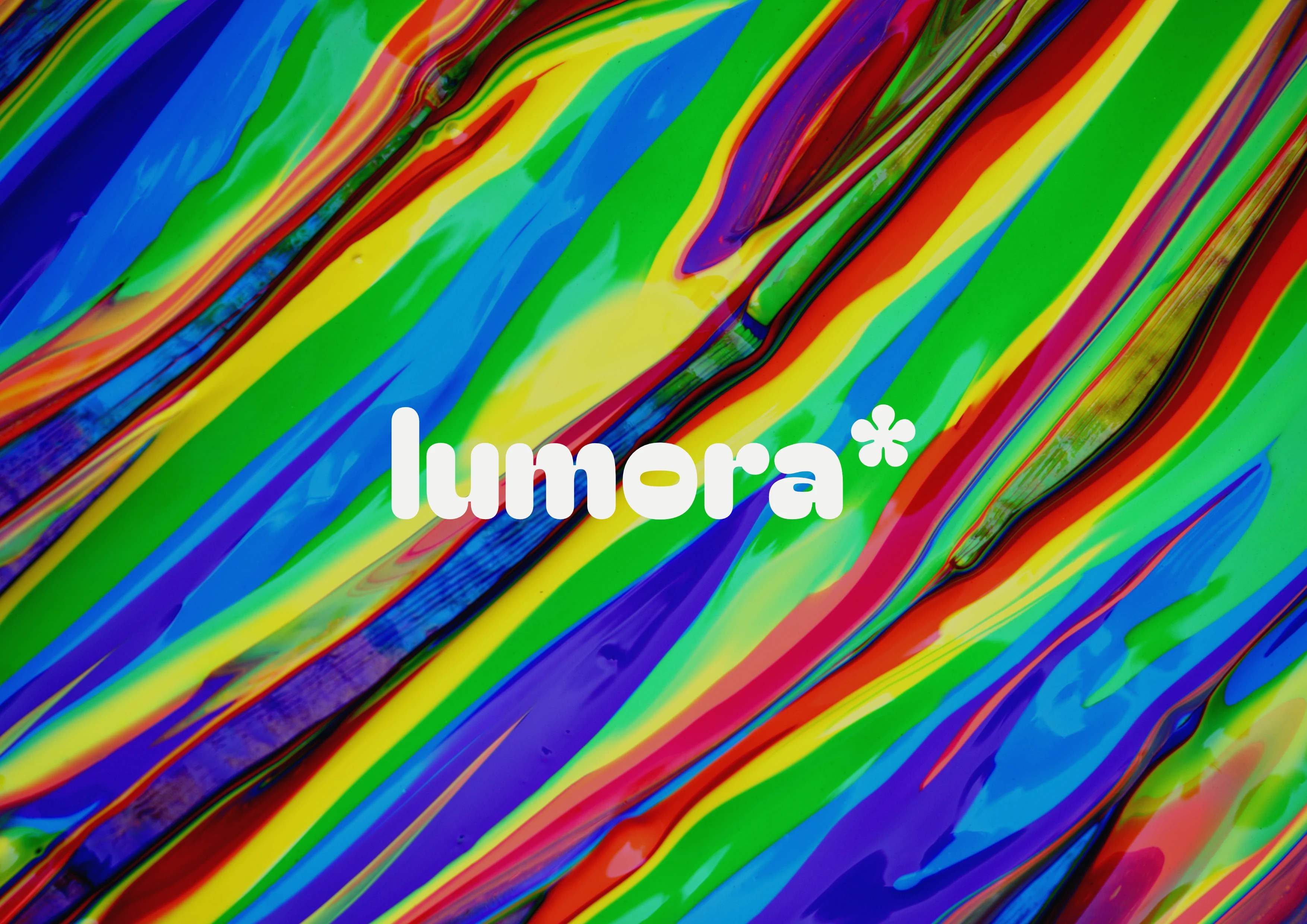
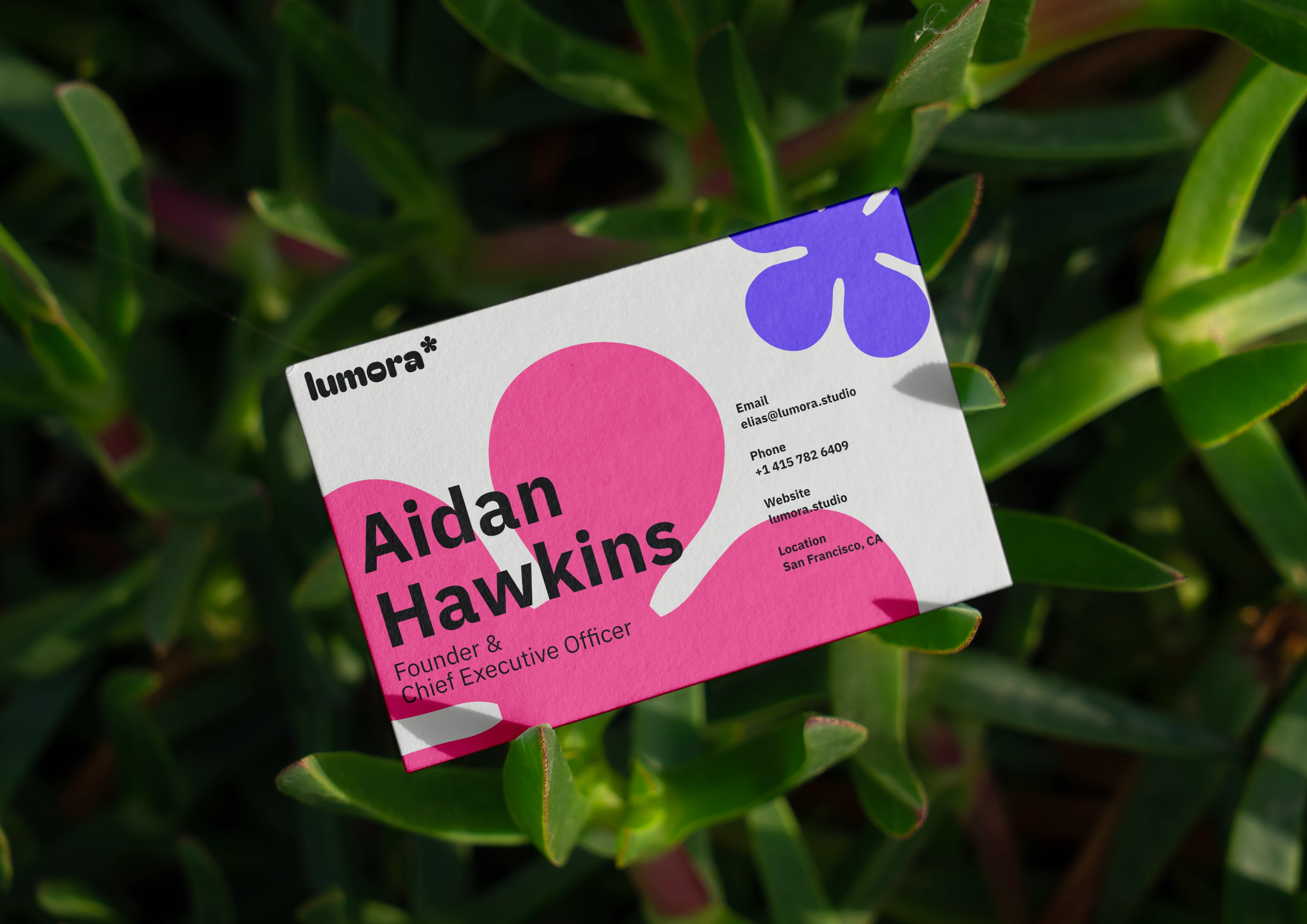
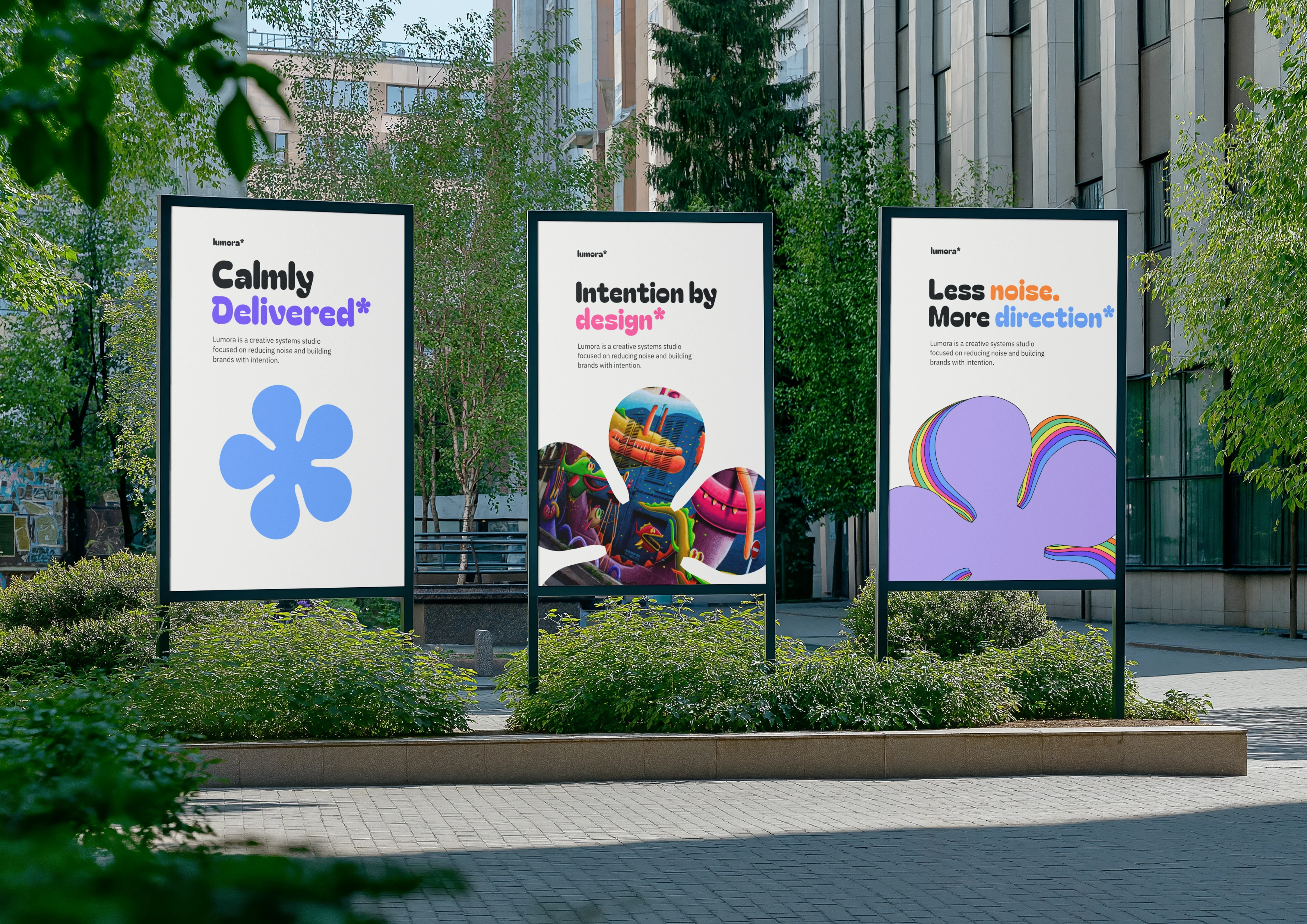
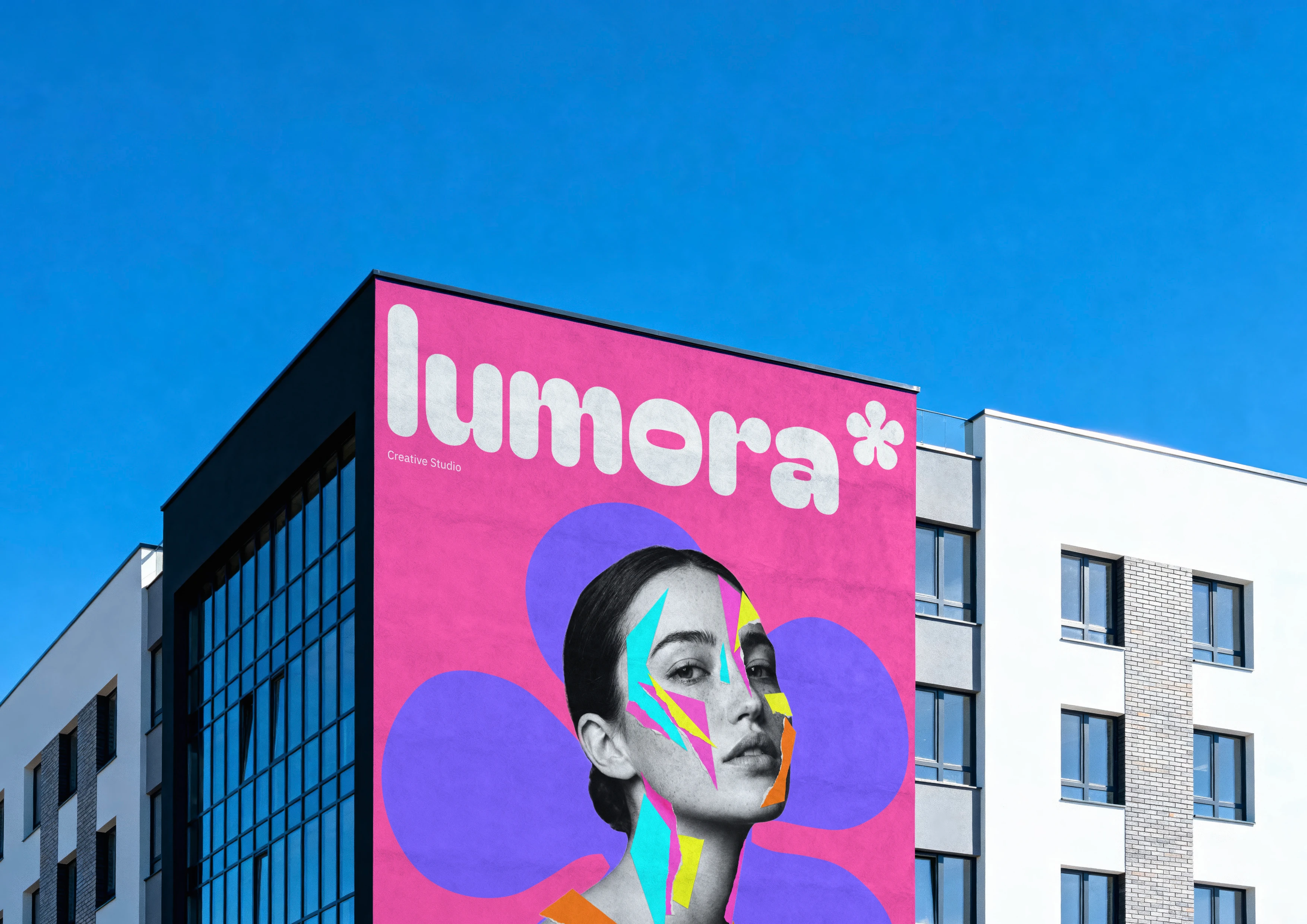
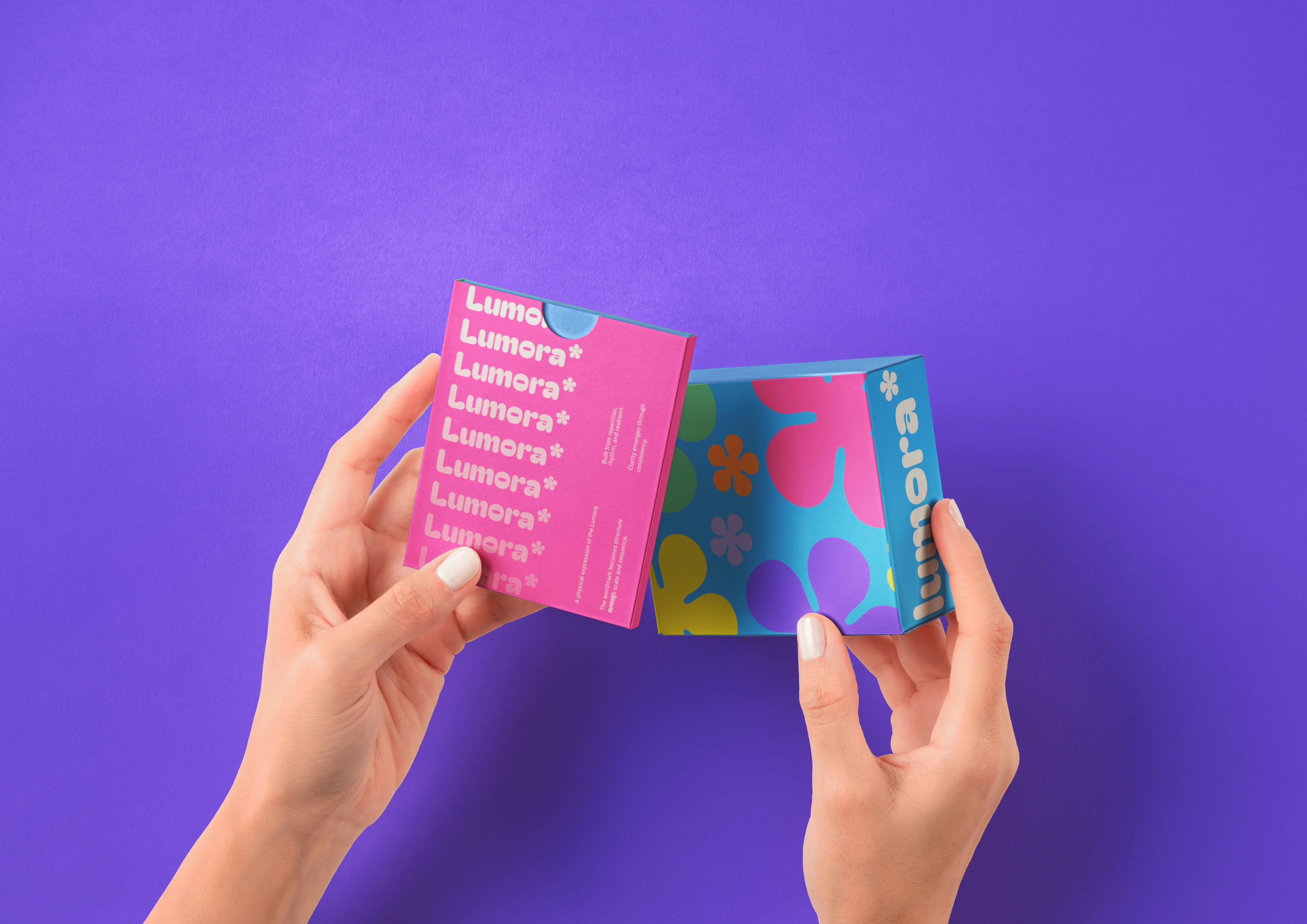
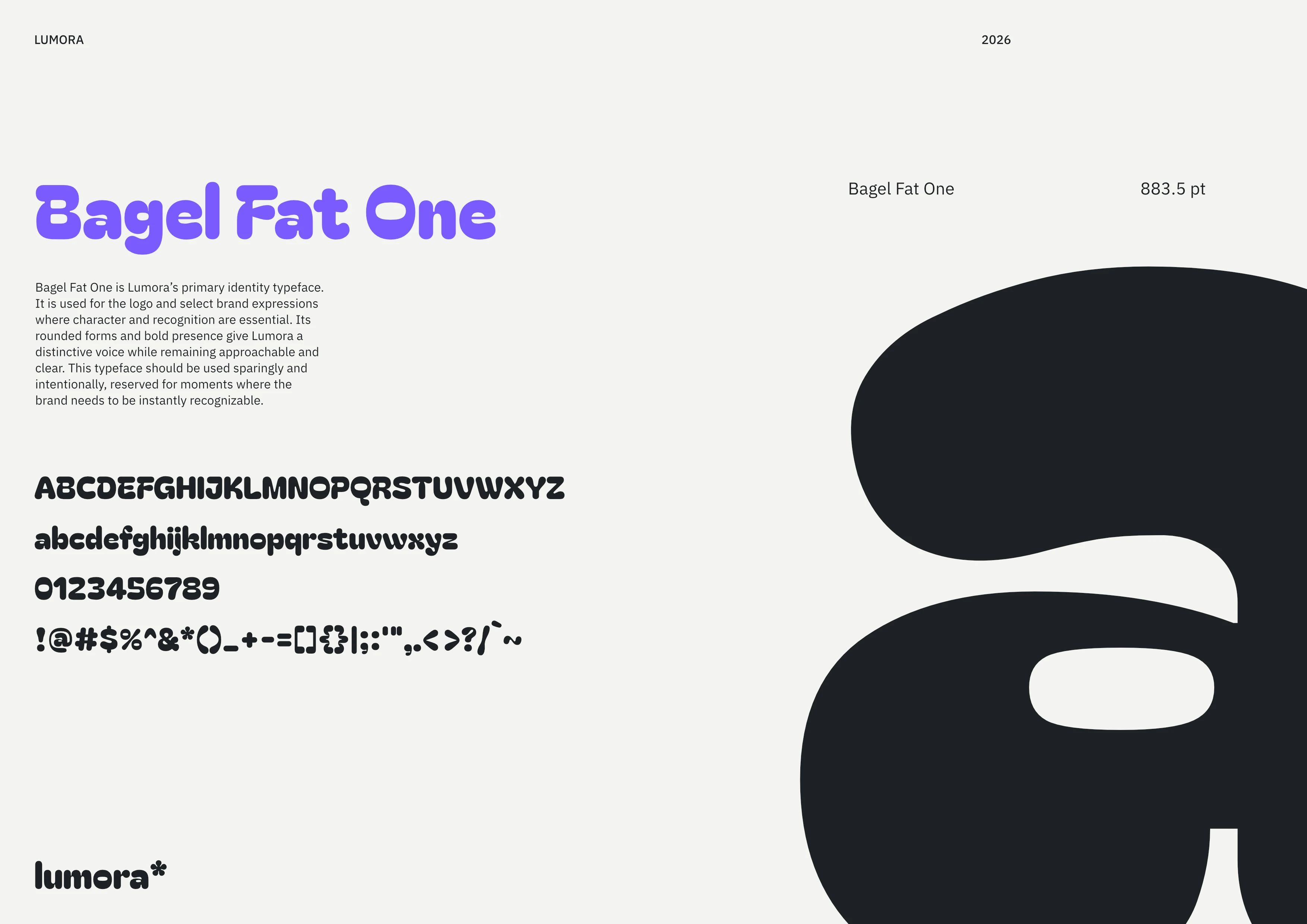
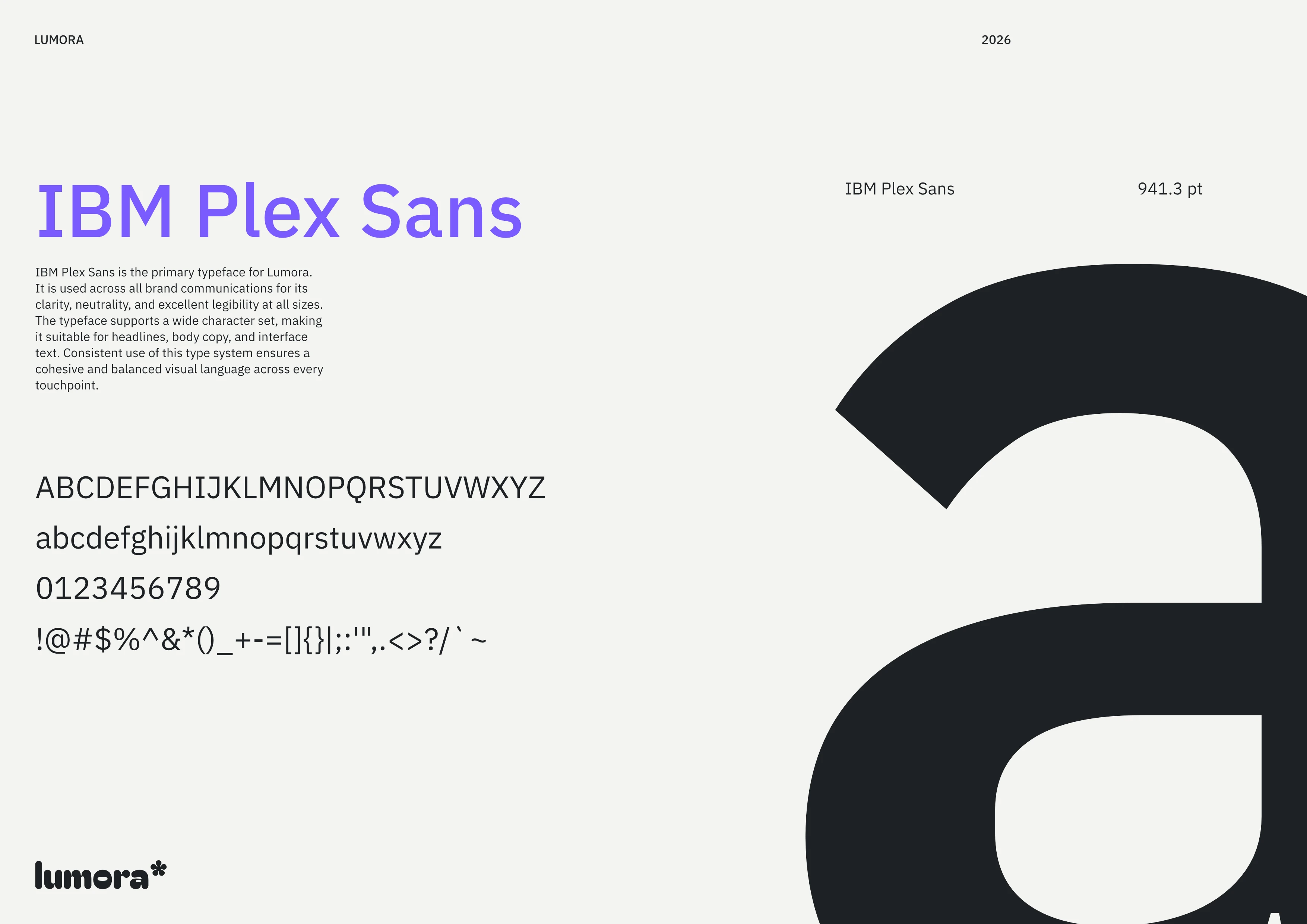
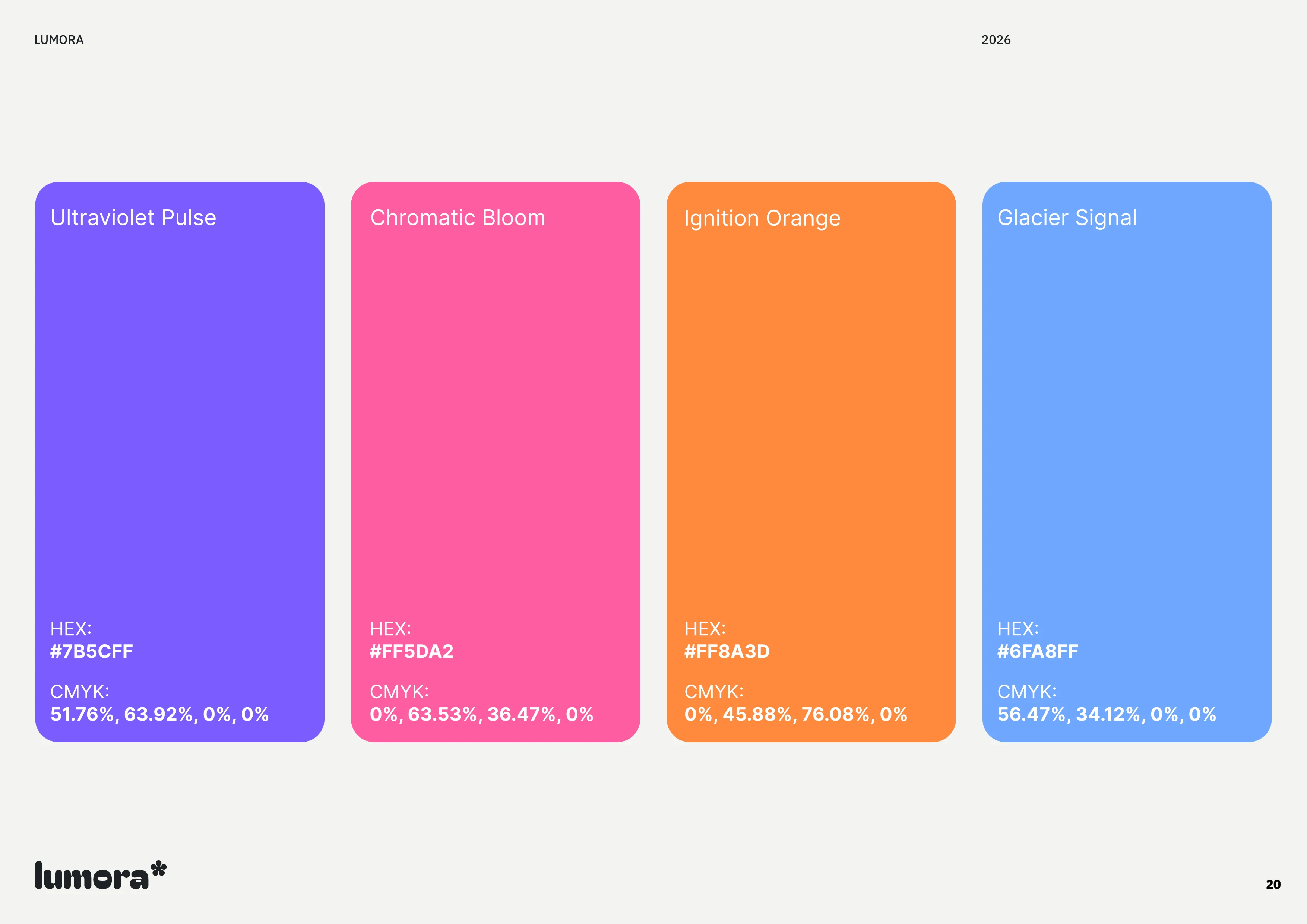
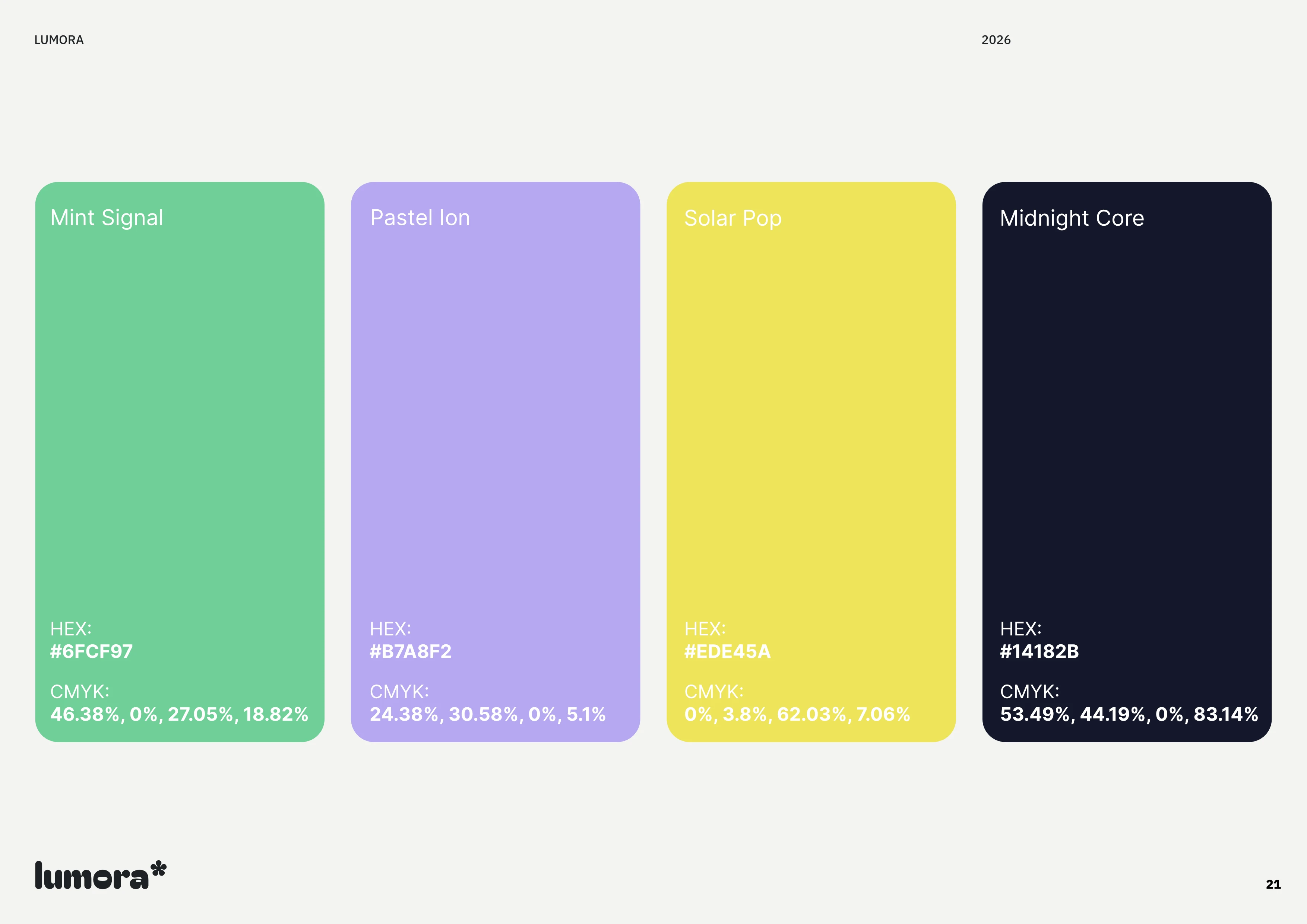
Brief
The starting constraint for Lumora was not visual. The question was: how do you build a brand for a company that operates at the intersection of experience design and lifestyle, in a category where every competitor already looks considered and restrained?
The risk was blending in. Minimalism has become the default aesthetic for this space, which means restraint alone is no longer a differentiator. The brief was to build a system that felt intentional rather than simply quiet – one where every element existed for a reason that could be articulated, not just sensed.
The work began with strategy, not a sketchbook. Purpose, vision, and values were established first as working constraints, not as a brand document for the shelf. Every design decision that followed was measured against them.
Vision and Positioning
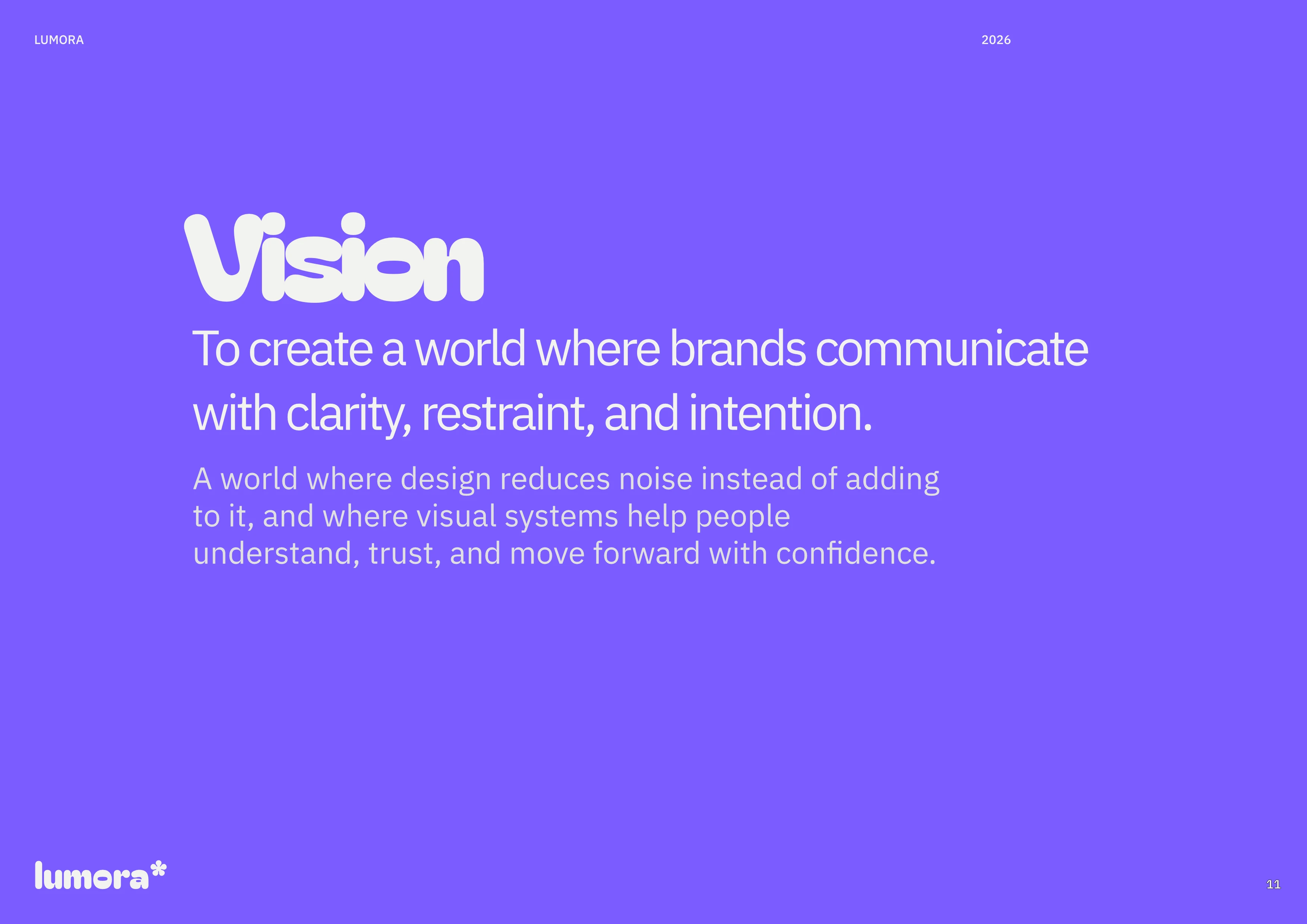
Lumora’s vision is long-term. The brand is not designed for momentary attention but for sustained relevance.
Positioned at the intersection of branding, identity, and systems thinking, Lumora treats design as infrastructure rather than ornamentation. The goal is to create a visual and verbal language that can scale, adapt, and remain consistent across mediums without losing character.
This vision rejects the idea of branding as a single reveal moment. Instead, it embraces branding as an evolving platform, one that supports future work without requiring constant reinvention.
How the Values Became Visual Rules
Three values drove the identity system: restraint, consistency, and intentionality. These were not abstract statements – they were translated directly into design rules.
Restraint became a spatial rule. Whitespace is not emptiness in the Lumora system; it is a structural element. Layouts are built with deliberate negative space that creates breathing room and signals confidence. Nothing is added to fill a gap.
Consistency became a typographic rule. A single type family is used throughout, with weight and scale as the only variables. No mixing of styles, no decorative typefaces for headlines. The hierarchy is clear and repeatable across every format.
Intentionality became a color rule. The palette is deliberately limited. Each color has a defined role and does not appear outside that role. This creates recognition without requiring the logo to be present – the color system carries the brand.
The Identity System
The system was built to be modular and self-sufficient. The components:
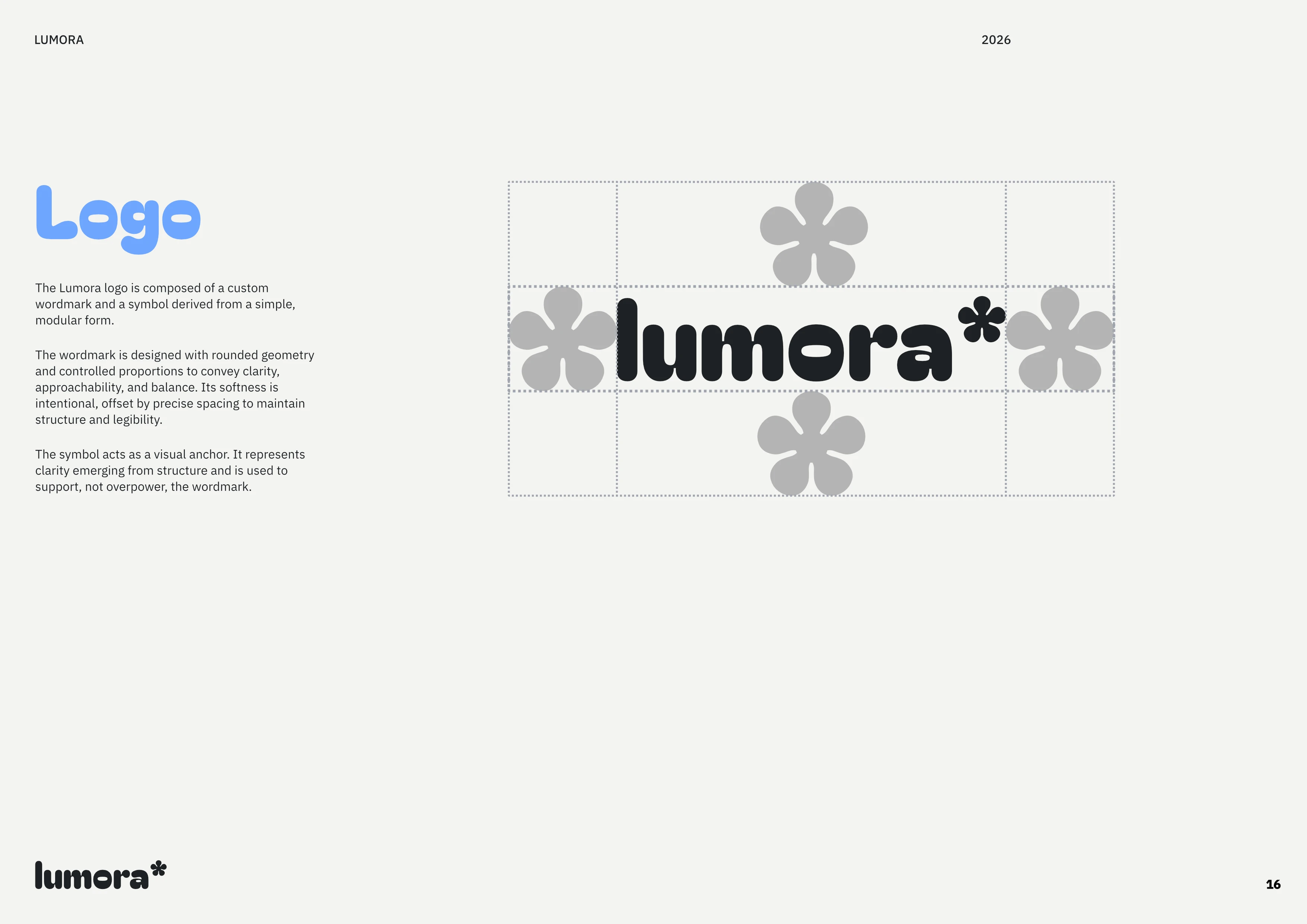
Logo suite – primary mark, horizontal variation, and icon-only version for confined spaces. Each variation was tested at small scale and in real-world mockup environments before being finalised.
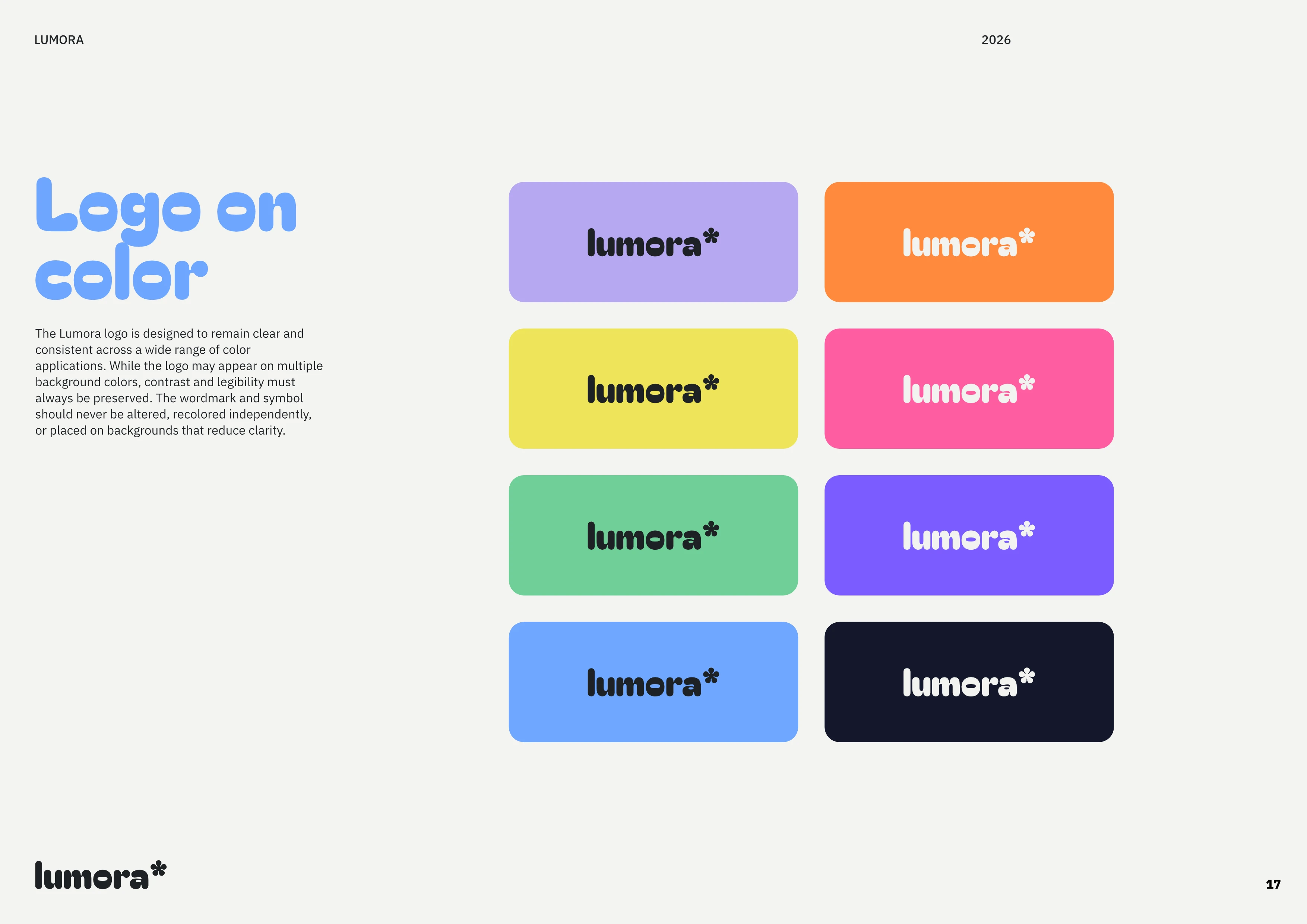
Color palette – a primary palette of three colors with defined roles, supported by two neutral tones. The palette was tested across both digital (screen) and print (CMYK) to ensure consistency across output types.
Typography system – one typeface family, four weights, with a defined usage hierarchy for headings, subheadings, body, and captions. Scale relationships are specified in the guidelines to remove ambiguity.
Layout grid – a structural grid system with defined margins, column widths, and spacing increments. Applied consistently across every application in the guidelines.
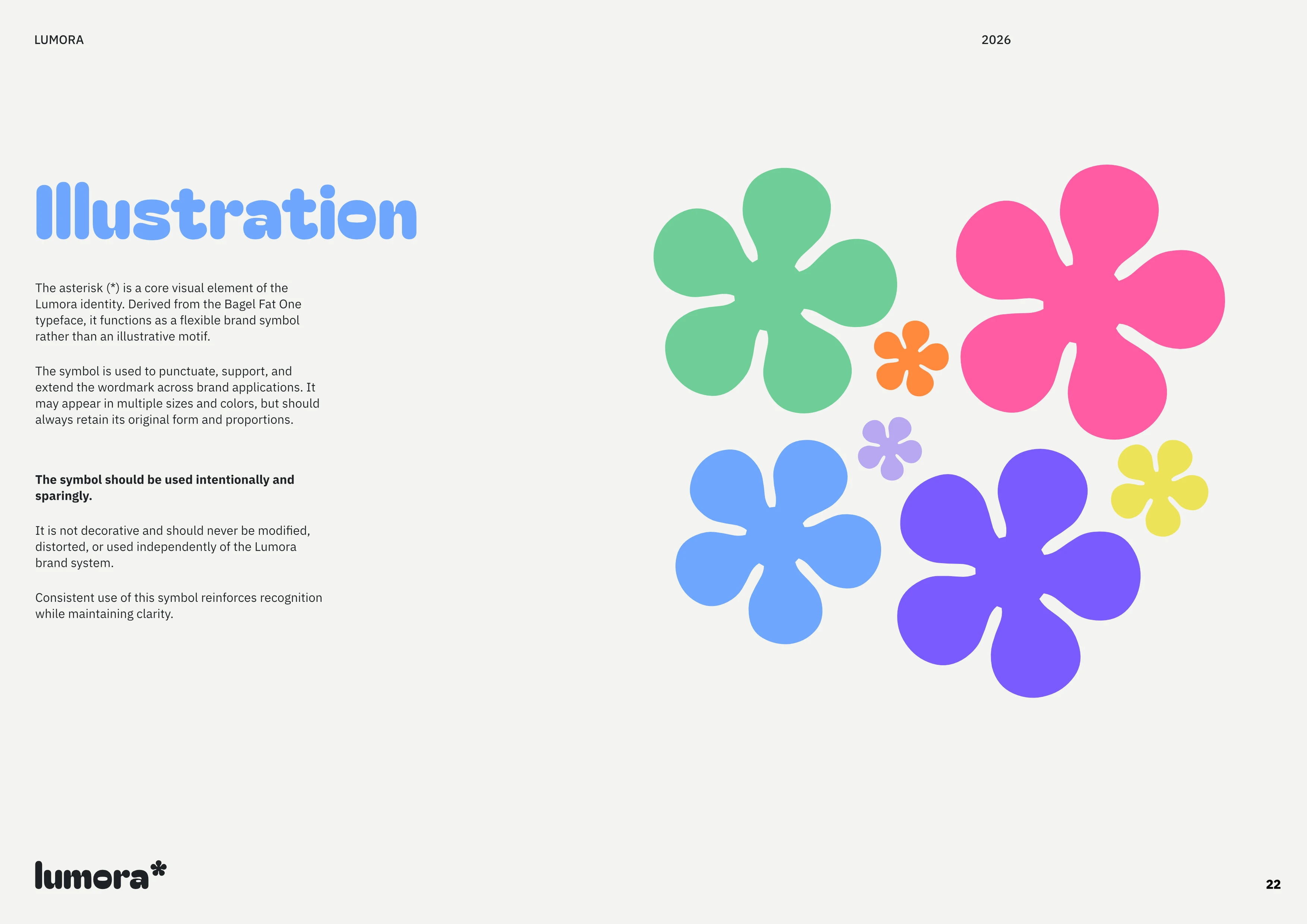
Graphic language – a supporting set of compositional rules for how elements relate to each other on a page. Not a set of decorative assets, but structural principles that can generate new layouts within the brand consistently.
What Was Delivered
- Brand strategy document covering purpose, vision, values, positioning, and brand personality
- Logo suite: primary, horizontal, and icon variants (SVG, PNG, PDF)
- Color palette: primary and secondary, with CMYK, RGB, and HEX values
- Typography system with defined usage hierarchy
- Layout grid system with margin and spacing specifications
- Social media and digital application templates
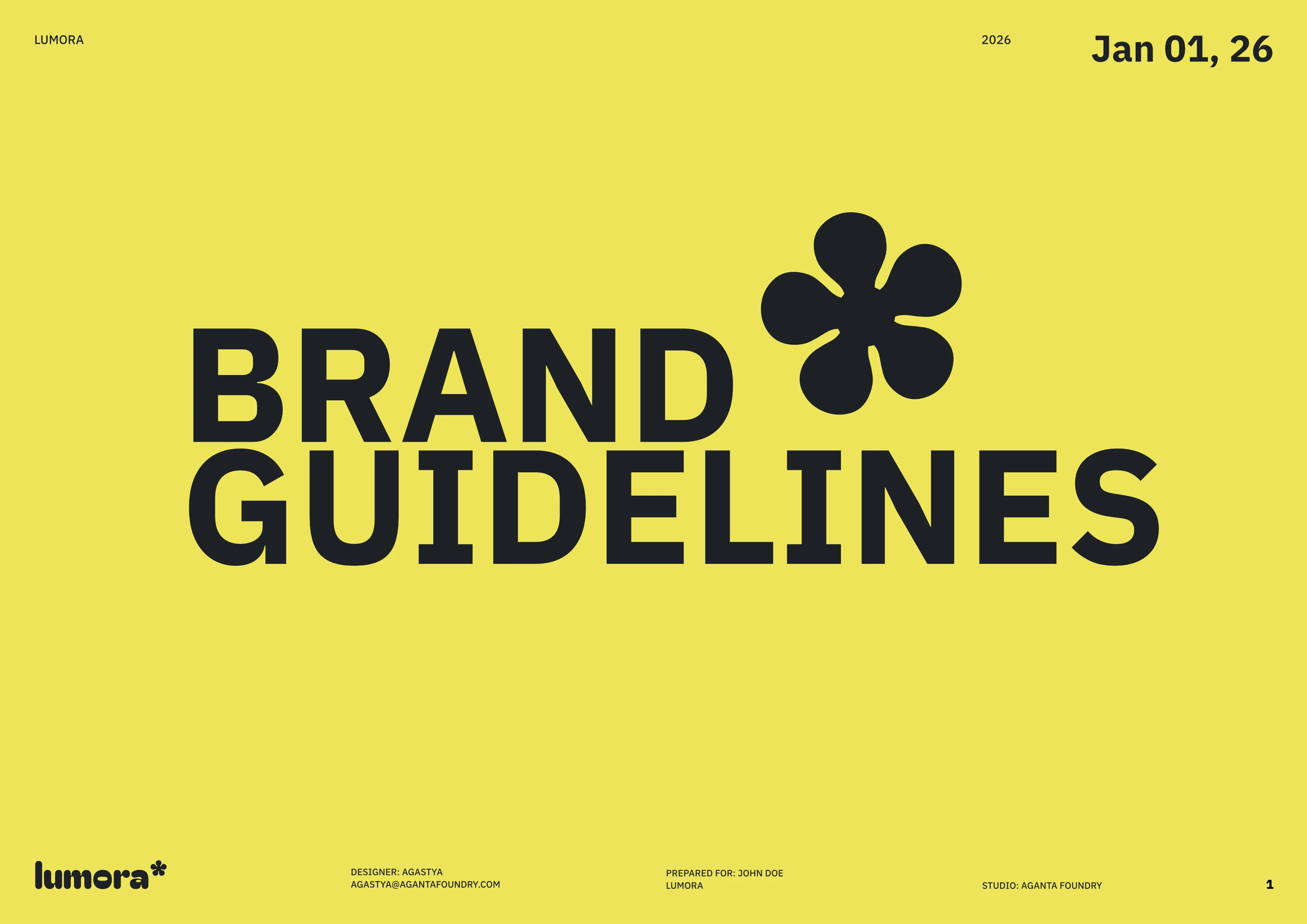
- Brand guidelines document (22 pages) covering all of the above with usage rules and examples
A Foundation for Growth
Lumora’s branding is not a finished object. It is a foundation.
By anchoring the identity in purpose, vision, and values, the brand is equipped to grow without losing coherence. New projects, formats, and expressions can emerge within the system rather than forcing it to stretch beyond its limits.
This is the advantage of designing brands as systems. They don’t need constant redesign. They need stewardship.
Lumora stands as an example of what happens when branding is treated not as surface-level expression, but as a disciplined, strategic framework built to last.
Book a call
Start your project
We’ll follow up with you.